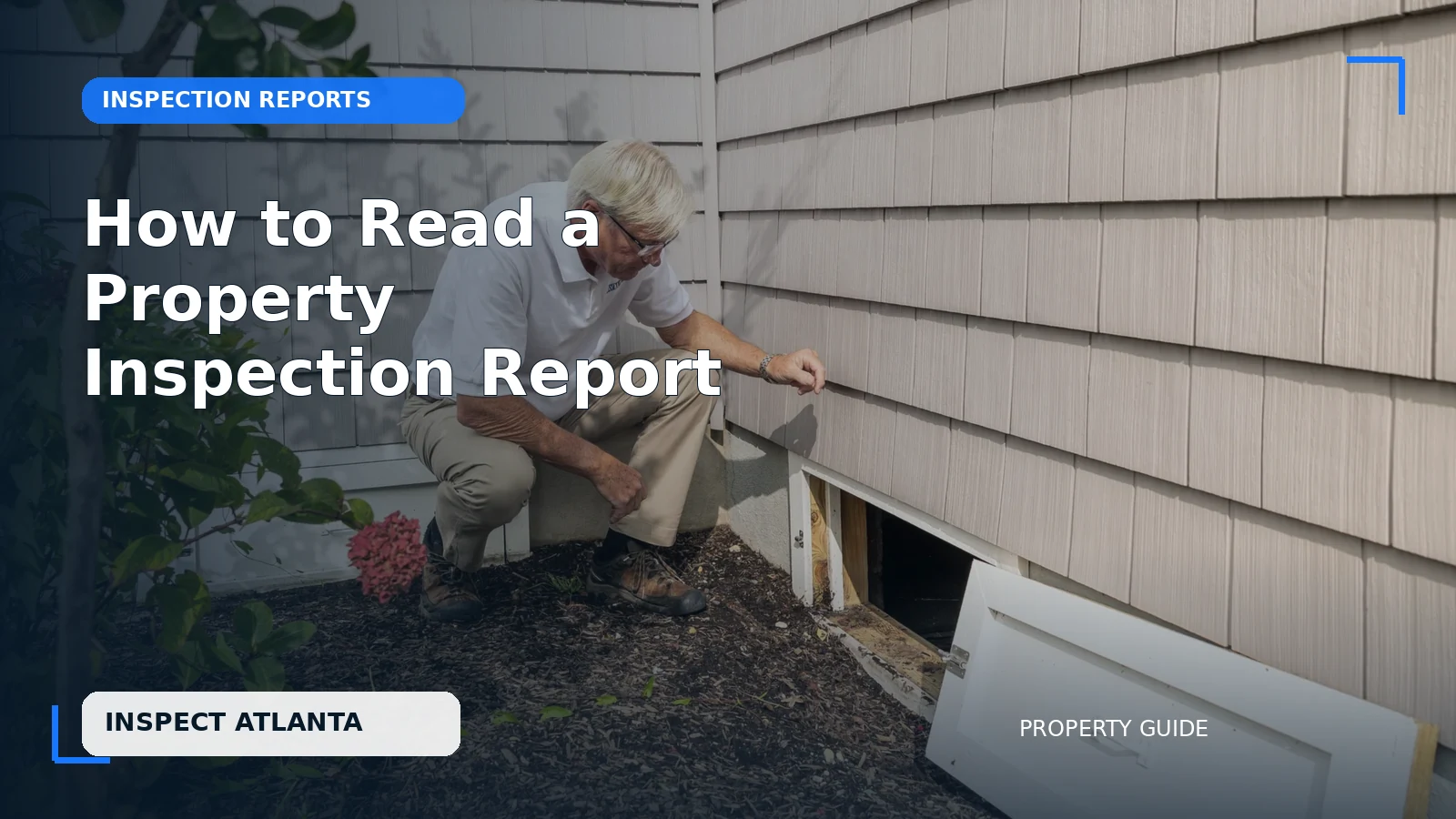
Read the full inspection report, not only the summary. Separate urgent safety or active-damage concerns from routine maintenance, aging components, and informational observations. Ask the inspector to clarify anything you do not understand and use qualified specialists for repair scopes and estimates.
Begin with the scope and limitations
The opening sections explain what was inspected, what was excluded, which areas were inaccessible, and which conditions limited the visit. Those notes matter because they define what the report can and cannot tell you.
A report is based on visible and accessible conditions at the time of the inspection. It is not a warranty, prediction of future performance, or guarantee that concealed defects do not exist.
Read the summary in context
The summary highlights selected findings, but it may not include every observation or supporting photograph. Read the detailed sections to understand location, context, and the inspector’s recommendation.
A long report does not automatically mean the property is in poor condition. Reports often include maintenance suggestions, age-related observations, informational notes, and photographs of systems.
Group findings by decision type
A practical way to review the report is to sort findings into categories:
- Immediate safety or active-damage concerns
- Major systems that need specialist evaluation
- Repairs that affect function or water management
- Routine maintenance and monitoring
- Aging components that may need future budgeting
- Questions about permits, warranties, or prior work
Ask what the recommendation means
Words such as “repair,” “evaluate,” “monitor,” and “maintain” do not mean the same thing. Ask the inspector why a recommendation was made and what type of professional is appropriate for follow-up.
Inspectors generally do not provide exhaustive engineering, environmental, or trade-specific diagnoses during a general property inspection.
Use specialists for scope and pricing
Contractors and specialists can determine repair methods, code implications, material choices, timelines, and costs. Provide them with the relevant report section and ask them to inspect the actual condition before giving a quote.
A photograph alone may not be enough for a reliable repair estimate.
Keep the report for ownership planning
The report can become a starting maintenance record after closing. Save it with receipts, warranties, permits, repair invoices, equipment manuals, and later inspection or service documents.
Use it to plan seasonal maintenance and monitor conditions that were not urgent at the time of purchase.
Avoid negotiating from headlines alone
Large repair numbers and alarming descriptions can circulate before the condition has been evaluated by the right trade professional. Start with what the inspector actually observed, where it was located, and why follow-up was recommended. Then ask a qualified provider to inspect the condition and explain repair options.
This approach produces better information than assuming the worst—or dismissing a finding because it looks minor in a photograph.
Create a post-closing maintenance plan
After the transaction, convert non-urgent findings into a practical calendar. Separate monthly, seasonal, annual, and long-term items. Include filter changes, gutter cleaning, caulking, drainage checks, HVAC service, roof monitoring, plumbing maintenance, and safety-device testing.
Attach invoices and photographs as work is completed. Over time, the inspection report becomes the first chapter of the property’s maintenance history.
Questions to ask while reviewing the report
- Which findings are time-sensitive?
- Which items need a specialist?
- What was inaccessible or not inspected?
- Which observations are maintenance items?
- Which systems may need near-term budgeting?
- What should be monitored after closing?
Frequently asked questions
Should I only read the report summary?
No. The detailed sections contain context, photos, limitations, and recommendations that may not appear in the summary.
Does every defect need to be repaired before closing?
That is a transaction decision for the parties and their advisors. The report provides information; it does not decide negotiations.
Can the inspector provide contractor quotes?
Some inspectors may offer general context, but qualified contractors should inspect conditions before providing a repair scope or price.